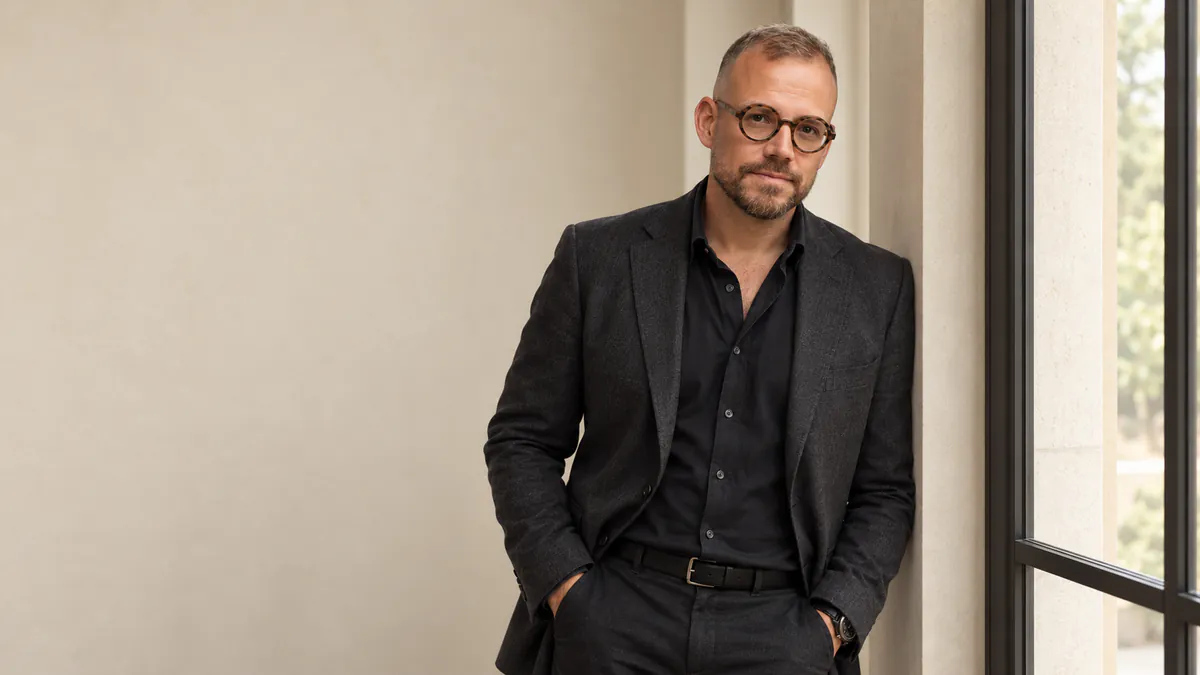
My heart is pumping, and I’m quite nervous. My mind is jumping around like a monkey from one branch to the next on a tree. Zipper, meditation, presentation, cappuccino, pizza. Always go to the pizza at the end. This is my mind.
I am trained as a historian of Indo-Tibetan religions, which means that I study very old texts that are written in Sanskrit and in Tibetan languages. And meditation has become one of our main means in our society to deal with stress. How meditation, or mindfulness meditation, works is by focusing one’s attention on an object, such as the natural flow of our breath. In a way, what meditation does is it disattends to these discursive thoughts that keep running through our minds, and it disrupts this identification with the monkey mind. We slow down, we get present-centered, and the monkey, in a way, relaxes. And so we can do this together right now, just for one second maybe. All of us just close our eyes, take a deep breath, and just feel our bodies in this very moment.
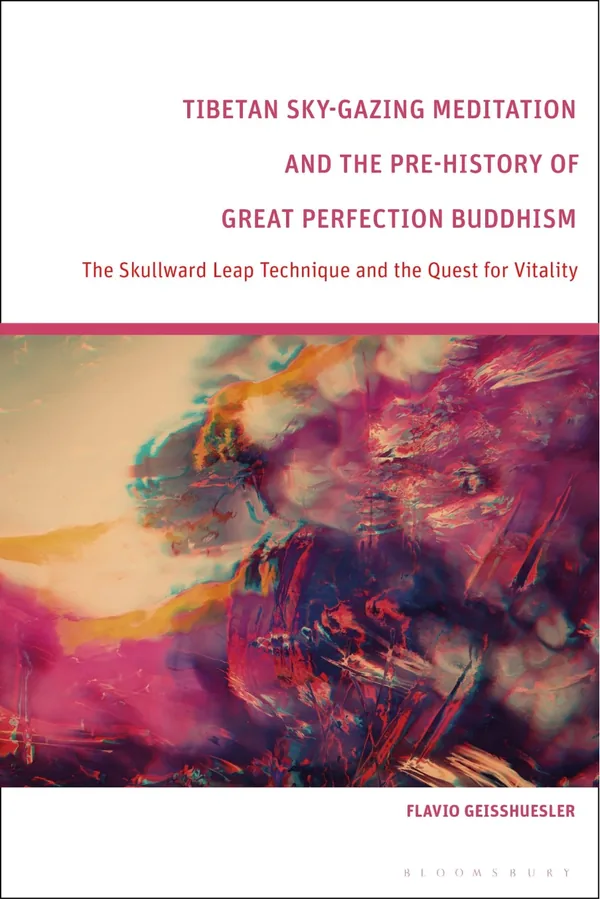
Now, this kind of felt good to me. I’m here to introduce a new paradigm of meditation research. These practices are usually marked by a very open, spacious, and kind of unstructured approach to reality. Here, we find meditators, like here, sitting on top of mountains, on the slopes of mountains, and they gaze into the blue skies for extended periods of time. And what happens is that as they do this, they start to perceive certain things. Visions start to come up quite naturally and automatically. And so I call these practices participant-spontaneous forms of meditation, because it’s as if by looking at reality in an unstructured way, reality itself grips us, or it manifests to us in an automatic way, and we start to appreciate things that we haven’t seen before.
This, too, can be done right now, right here. I mean, all of us can just let our gazes kind of fly across the panorama of this room, and you’ll see stuff you haven’t seen before. In a way, I believe that these types of techniques and this endless possibility and potential for vision is deeply connected to our passions. Passions, too, cannot be created. We’re usually gripped by our interests. And so in a way, me standing here today is the result of me following my monkey mind and becoming a speaker in front of you, sharing my knowledge with you guys.
I come to the second set of techniques. They usually consist out of two stages. In a first stage, the meditators visualize themselves and they identify with a deity. They do this over and over again, taking on the various characteristics of the god, like here, for example, in this mandala. And then in a second stage, they take on this identity, they embody it, and they act it out, and they perform various physical practices. And so these techniques I define as predictive-executive forms of meditation, because here we’re no longer participating in this kind of natural unfolding of reality, but much rather we’re setting ourselves up to take on a specific identity, we apply it, and then we test it in reality.
And so in a way, this too can be related to my experience standing in front of you right now. I remember when I first started out lecturing, I had a course of 140 students at the University of Virginia before I even finished a PhD, and I was so nervous that I kind of crafted myself this Flavio lecturer personality, and I was like, “Fact one, fact two, fact three.” It was like a reading, or a speaking Wikipedia entry. There was hardly any presence in that, the poor students. But it was over time, as I was practicing and repeating and kind of getting comfortable with this persona that I’ve crafted, that I was able to integrate form and freedom, structure and spontaneity, this public persona and the more intimate sense of self, which I hope is flowing through this talk today.